Contact Us Menu

Table of Contents

What is Neck Pain?

Neck pain is a comprehensive term to describe discomfort in the neck and surrounding region. It can be caused by the muscles, nerves, vertebrae, and cushioning discs between the vertebrae or any combination of the above. The term neck pain may also be used to describe pain in the areas surrounding the neck such as the shoulders, jaw or head.

Progressive Spine & Orthopaedics Progressive Spine & Orthopaedics

Causes of Neck Pain

One of the most common causes of neck pain is behavioral muscle strain. Actions such as driving a car or hunching over a computer puts stress on the neck and can cause pain. More active stresses such as playing sports and physical labor can also cause neck pain.

However, muscle strain is by no means the only cause of neck pain. It can also be caused by arthritis or nerve compression. There are many causes of nerve compression and the subsequent neck pain. These include but are not limited to bone spurs, facet joint arthritis, rheumatoid arthritis, degenerative disc disease, herniated or ruptured discs, and fractures.

Diagnosing Neck Pain

Oftentimes, neck pain does not warrant a doctor’s visit. It is most often a mild condition but should you suffer from any of the following symptoms or are not improving on your own then you should seek medical attention.

  • Numbness in hands and arms
  • Shooting pain in the shoulders or down the arms
  • Change in bowel and bladder habits
  • Severe pain that keeps you up at night

Should you decide to seek medical treatment at Progressive Spine and Orthopaedics for these or any other symptoms of neck pain, the first step is always an accurate diagnosis. Through a physical exam, a medical history, and other testing, Dr. Joshua Rovner will diagnose your pain and walk you through all your treatment options for neck pain management in New Jersey.

Neck Pain Treatment

The right treatment options will be determined at the time of your office consultation. The treatment of neck pain often begins with addressing symptoms, but at Progressive Spine and Orthopaedics, we will also treat the cause.

We will start with non-surgical care before moving to neck pain surgery in New Jersey. Non-surgical care can sometimes resolve the situation, and we want to be sure this has been explored before doing surgery. 

After a thorough consultation, a non-surgical treatment plan will be created for you that is personalized to your needs. Your non-surgical care will include the treatments below, or often, combinations of these treatments.

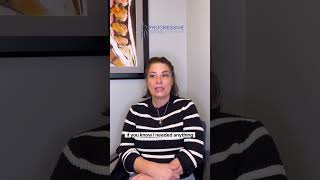
3 Exercises You Can Do at Home to Strengthen & Stretch The Neck

screen shot of a vertical video

Some Neck Pain Treatment Options Include:

  • Ice pack or moist heat to the affected area
  • Relative rest and modification of activities that worsen symptoms
  • Over the counter medications
  • Prescription medications
  • Topical creams and patches 
  • Targeted physical therapy
  • Acupuncture
  • Environment adjustments

  • Massage
  • Chiropractic treatment
  • Lumbar support brace (used sparingly for comfort as needed)
  • Cortisone injections
  • Trigger point injections 
  • Epidural steroid injections
  • Facet joint injections
  • Radiofrequency ablations

Once non-surgical treatment has been done, if your pain has not resolved, we will look at the right surgery for you to address the cause of your pain. In conjunction with surgery, we will also work with you to incorporate these helpful non-surgical treatments into your overall recovery and healing phase.

Your New Jersey Spine Surgeon for Neck Pain

As an award-winning New Jersey spine surgeon, Dr. Joshua Rovner delivers comprehensive treatment for Neck Pain, whether spine surgery or non-surgical treatment is the best approach. Board certified to practice in New York and New Jersey, Dr. Joshua Rovner is among few spine surgeons in NJ with depth of experience and expertise for advanced and minimally-invasive spinal surgery. Schedule a consultation today and contact us.

Neck Pain Management FAQ

What is cervical radiculopathy?

Cervical radiculopathy occurs when a nerve in the neck becomes compressed or irritated, potentially causing pain, tingling, numbness, or weakness that travels into the shoulder, arm, or hand.

Can poor posture contribute to chronic neck pain?

Yes. Maintaining poor posture for extended periods can place additional stress on the muscles, joints, and other structures of the neck. Improving ergonomics and maintaining proper alignment may help reduce recurring discomfort.

How does a herniated disc affect the neck?

A herniated cervical disc occurs when the cushioning material between the vertebrae bulges or ruptures. If the displaced material irritates a nearby nerve, it can contribute to pain, numbness, tingling, or weakness extending into the arm.

Can neck pain cause headaches?

Certain conditions affecting the muscles, joints, or nerves in the neck can contribute to headaches. These are sometimes referred to as cervicogenic headaches because the source of the pain originates in the cervical spine or surrounding structures.

Can neck pain go away without surgery?

Many cases of neck pain improve without surgery, particularly when the underlying problem is related to muscle strain or other conditions that respond to conservative care. Persistent or worsening symptoms may require further evaluation to determine whether additional treatment is appropriate.

How long does neck pain usually last?

The duration of neck pain varies depending on its underlying cause and severity. Some episodes improve within days or weeks, while pain associated with degenerative conditions, nerve compression, or structural problems may persist longer.

When is neck surgery considered?

Neck surgery may be considered when pain or neurological symptoms persist despite appropriate conservative treatment, or when a structural problem is causing significant nerve or spinal cord compression. The appropriate procedure depends on the specific condition being treated.

What types of neck surgery are available?

Depending on the underlying condition, cervical spine surgery may include procedures such as cervical disc replacement, cervical discectomy, or spinal fusion. A spine surgeon can determine which procedure is appropriate based on the patient's anatomy, symptoms, and diagnosis.

How long does it take to recover from neck surgery?

Recovery varies according to the type of surgery performed, the underlying condition, and the patient's overall health. Some patients return to light activities relatively quickly, while more extensive procedures may require a longer recovery period.

Can neck pain return after treatment?

Neck pain can recur depending on its underlying cause and factors such as age, activity level, posture, and degenerative changes in the spine. Following a personalized treatment and rehabilitation plan may help support long-term neck health.

If you are suffering from back or neck pain, it is crucial for you to receive a professional diagnosis as soon as possible. Dr. Rovner is one of the best spine surgeons in NJ who has the experience and expertise necessary to help patients actualize successful outcomes with orthopedic spine surgery.

© Progressive Spine & Orthopaedics. All Rights Reserved.
Digital Marketing & Design by Studio 3 Marketing®

Privacy Policy

Accessibility: If you are vision-impaired or have some other impairment covered by the Americans with Disabilities Act or a similar law, and you wish to discuss potential accommodations related to using this website, please contact our Accessibility Manager at 201.690.1381.
Contact Us