Contact Us Menu

What is Growth Plate Pain?

Growth plates are the weak points on either end of a child's bone. The cartilaginous cells transform into hardened bone cells, extending the bone as the child’s body matures. Because the growth plate is the weakest point in the bone, a doctor must immediately evaluate a possible injury; when fractured and left untreated, the damage could stunt future bone growth.

Most growth plate injuries result from acute trauma, such as:

  • A fall
  • Car Accident
  • Twisted ankle
  • Repetitive stress on the joint

Growth plate fractures make up 15-30% of all childhood fractures. Children and adolescents who have not yet reached physical maturity are susceptible to growth plate injuries. Still, children who have particular neurological or musculoskeletal disorders are more prone to growth plate injuries.

While most growth plate injuries occur in the long bones of the fingers, they’re also common in the following:

  • Tibia
  • Fibula
  • Bones in the foot and ankle
  • Outer forearm bone

What are the Symptoms of Growth Plate Pain and Injury?


Your child’s growing body and play habits can clue you into their bone and joint health. They may have a growth plate injury if they:

  • Have sustained an acute injury
  • Report severe pain after an injury
  • Can no longer play after sustaining an injury
  • Have a visible deformity in the injured area
  • Report persistent pain and soreness at a joint or in the heel, regardless of injury
Progressive Spine & Orthopaedics

How is Pediatric Growth Plate Pain Treated?


Treatment for pediatric growth plate pain may include:

  • Stretching and physical therapy
  • New or better-fitting shoes
  • Orthotic devices
  • Prescription creams or medicines

Proper treatment from a foot and ankle specialist is critical, and your child must not keep running or playing while injured. If they do not give their growing bodies time to heal, it could cause a more severe condition.

Dr. Bernstein may recommend one, depending on your child’s pain and injury severity.

  • Joint Immobilization: The joint will be immobilized in a cast or boot for up to four weeks to give the area time to heal. Your child should limit physical activity and avoid putting weight on the injured foot.
  • Manipulation: Dr. Bernstein may be able to manipulate the joint using their hands to place the bones back into their correct position. Afterward, the joint will be cast for up to four weeks to heal completely.
  • Surgery: Your child may require a surgical correction (or open reduction) for severe growth plate fractures. While the bones and soft tissues heal post-op, your child will wear a cast or boot for four to six weeks.
Progressive Spine & Orthopaedics Progressive Spine & Orthopaedics Progressive Spine & Orthopaedics

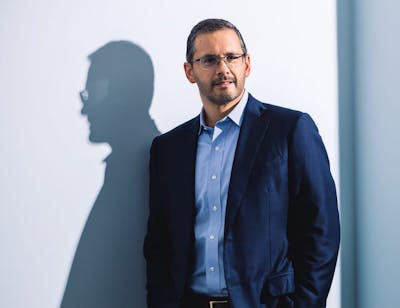
Why Choose Dr. Steven Bernstein for Pediatric Foot and Ankle Care?

If your child has experienced an injury or has suffered foot and ankle pain, it’s vital to choose an experienced surgeon to repair the damage and prevent future growth plate issues.

Dr. Steven Bernstein is board-certified by the American Board of Foot and Ankle Surgery and specializes in reconstructive foot and ankle surgeries. His background includes extensive training and experience in foot and ankle trauma and deformities, including reconstruction of the forefoot, rearfoot, and ankle deformities. 

Dr. Bernstein is certified by the Arthroscopy Association of North America (AANA) in comprehensive Internal Fixation/Reconstructive Surgery of the Foot and Ankle (AAFAO) and Extremity Fixation for Trauma, Limb Deformity, and Foot & Ankle Reconstruction Surgery. These accomplishments and his glowing patient reviews are why you should choose Dr. Bernstein for pediatric foot and ankle care.

Progressive Spine & Orthopaedics

Pediatric Growth Plate Pain FAQ

How can I tell if my child's foot pain is a growth plate injury versus growing pains?

Growth plate injuries typically cause localized pain, swelling, and tenderness at specific joints, while growing pains are usually more diffuse and occur in muscles. Only a medical evaluation with imaging can definitively diagnose a growth plate injury.

Can my child continue playing sports with a growth plate injury?

Playing through a growth plate injury can cause permanent damage and affect bone development, so activity restriction is essential. Dr. Bernstein will advise when it's safe for your child to gradually return to sports.

How long does it take for a pediatric growth plate injury to heal?

Most growth plate injuries heal within three to six weeks with proper immobilization and activity restriction. More severe injuries may require longer recovery periods or surgical intervention.

Will a growth plate injury affect my child's final height?

Most properly treated growth plate injuries heal without affecting final bone length or causing deformity. Prompt treatment significantly reduces the risk of growth disturbances.

What signs indicate my child needs emergency care for a foot injury?

Seek immediate care if your child has visible deformity, severe swelling, inability to bear weight, or numbness in the injured foot. These signs may indicate a serious fracture requiring urgent treatment.

Can growth plate injuries be prevented?

While not all injuries are preventable, proper warm-ups, appropriate protective gear, and avoiding overtraining help reduce risk. Teaching children proper technique for their sport also helps protect developing bones.

Does my child need surgery for a growth plate fracture?

Many growth plate fractures heal well with casting or splinting, but displaced fractures may require surgical realignment. Dr. Bernstein will recommend the least invasive effective treatment for your child's specific injury.

When can my child return to normal activities after growth plate treatment?

Return to activity depends on the severity of the injury and how well healing progresses, typically ranging from four to twelve weeks. Dr. Bernstein monitors healing closely to determine when full activity can safely resume.

If you are suffering from back or neck pain, it is crucial for you to receive a professional diagnosis as soon as possible. Dr. Rovner is one of the best spine surgeons in NJ who has the experience and expertise necessary to help patients actualize successful outcomes with orthopedic spine surgery.

© Progressive Spine & Orthopaedics. All Rights Reserved.
Digital Marketing & Design by Studio 3 Marketing®

Privacy Policy

Accessibility: If you are vision-impaired or have some other impairment covered by the Americans with Disabilities Act or a similar law, and you wish to discuss potential accommodations related to using this website, please contact our Accessibility Manager at 201.690.1381.
Contact Us